

Authority Is Engineered.
Authority Architecture™ is a strategic framework that aligns positioning, messaging, and digital presence to build institutional credibility and revenue authority.
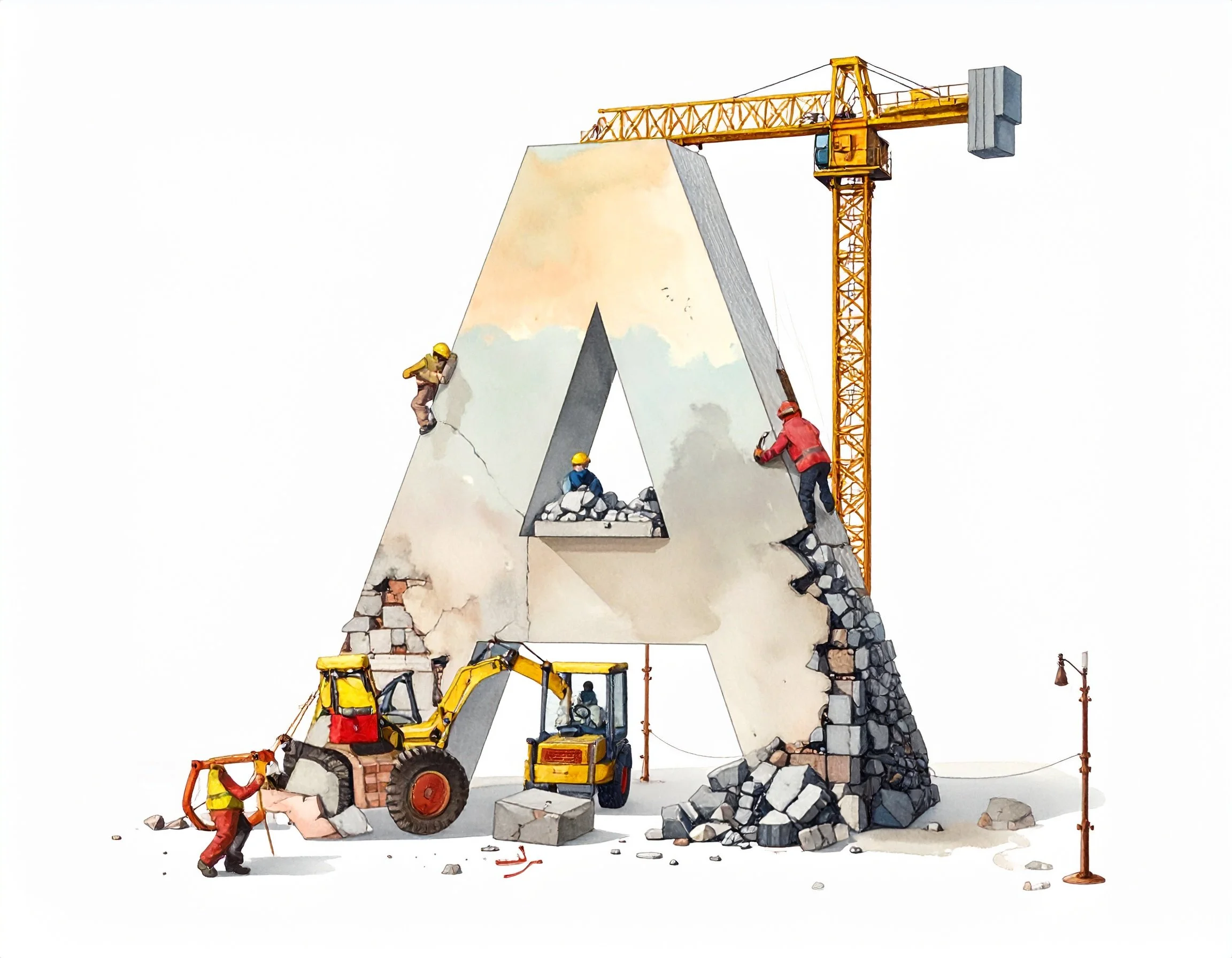
AUTHORITY ARCHITECTURE
INTRODUCING
Authority Architecture™ is a proprietary system built for professional services firms, nonprofits, and B2B organizations that intend to lead their category.
It aligns leadership vision, market positioning, and digital execution into one cohesive authority platform.
This is not a rebrand.
It is strategic infrastructure.
THE REAL PROBLEM
Most organizations invest in branding. Few invest in authority.
Logos are updated. Websites are redesigned.
But perception remains fragmented.
When positioning lacks clarity:
Pricing becomes negotiable
Sales cycles lengthen
Leadership messaging drifts
Market trust weakens
Authority is not aesthetic. It is structural.

THE FIVE STRUCTURES OF AUTHORITY
01 —
Strategic Positioning
We define your category stance, competitive differentiation, and executive narrative so your organization is understood immediately and respected instinctively.
02 —
Messaging Infrastructure
We engineer clear, confident language that supports pricing power, board alignment, and sales clarity.
03 —
Institutional Identity System
We design a visual identity rooted in longevity, consistency, and professional credibility not trend cycles.
04 —
Digital Authority Platform
We architect a website that reinforces leadership, strengthens trust signals, and supports revenue conversion.
05 —
Influence & Expansion
We develop the roadmap that extends authority through thought leadership, visibility strategy, and sustained market presence.
WHO THIS IS FOR
Authority Architecture™ is designed for organizations that:
Operate in complex or trust-driven markets
Sell expertise, impact, or long-term partnerships
Require board-level or executive alignment
Intend to increase pricing leverage and market distinction
If growth depends on trust, authority must be engineered.
THE RESULT
Clients experience:
Sharper market differentiation
Shorter sales conversations
Increased confidence in pricing
Stronger executive messaging
Cohesive institutional presence